Smart solutions for the electronics industry
Rapid advancements in technology have dramatically reshaped the landscape of the electronics industry, mirroring the transformative impact once seen with the introduction of electricity itself. While the industrial age relied on mechanical ingenuity, present-day electronics thrive on digital innovation, demanding smarter solutions to keep pace with evolving consumer expectations and environmental responsibilities.

The integration of AI, IoT, and other cutting-edge technologies represents the crux of this evolution, fostering ecosystems where efficiency, innovation, and sustainability are paramount. For example, smart manufacturing processes now allow:
- Real-time data collection and analysis
- Enhanced precision
- Reduced waste
This shift contrasts the traditional production line, emphasizing a proactive rather than reactive approach to problem-solving.
As competition intensifies and resource constraints grow, the ability to leverage intelligent solutions becomes not just advantageous but imperative. Exploring how these smart solutions redefine efficiency and drive future capabilities offers critical insights into the ongoing transformation of the electronics industry.
For those navigating this complex landscape, there is good help to be found here, ensuring that companies can adapt and excel in an ever-evolving market.
Smart Manufacturing Processes
Smart manufacturing processes integrate advanced technologies to optimize production efficiency and reduce operational costs in the electronics industry.
By utilizing real-time data, manufacturers can:
- Monitor and adjust their operations with heightened accuracy
- Ensure production lines operate seamlessly
- Detect and rectify discrepancies immediately
This approach leads to a more streamlined and efficient manufacturing environment. Additionally, real-time data facilitates the identification of trends and patterns, enabling proactive decision-making that enhances overall productivity.
Precision enhancement is a critical component of smart manufacturing. It ensures that products meet stringent quality standards through:
- Precise control over production variables
- Minimization of waste
- Reduction in the likelihood of defects
This precision not only improves the quality of the final product but also fosters a sense of reliability and trust within the industry.
As a result, smart manufacturing processes contribute significantly to the competitiveness of the electronics sector. They foster a sense of community among industry stakeholders committed to innovation and excellence.
Integration of Cutting-Edge Technologies
Incorporating cutting-edge technologies revolutionizes the electronics industry by enhancing operational efficiency and fostering innovation.
Integration of Smart Manufacturing techniques allows companies to:
- Streamline production processes
- Reduce waste
- Optimize resource utilization
By implementing advanced automation systems, manufacturers achieve:
- Greater consistency and reliability
- Higher-quality products
This shift not only improves the bottom line but also aligns with the industry’s commitment to sustainability and excellence.
Precision Enhancement emerges as another critical benefit of these technologies. Advanced sensors and control systems enable manufacturers to:
- Maintain exacting standards in component production
- Ensure every product meets rigorous specifications
This level of precision is essential for maintaining competitiveness in a rapidly evolving market.
Access to Real-Time Data further supports these advancements by providing immediate insights into production performance. With timely information, companies can:
- Swiftly adapt to changing conditions
- Minimize downtime
- Maximize productivity
The integration of cutting-edge technologies in the electronics industry fosters a culture of continuous improvement, benefiting all stakeholders involved.
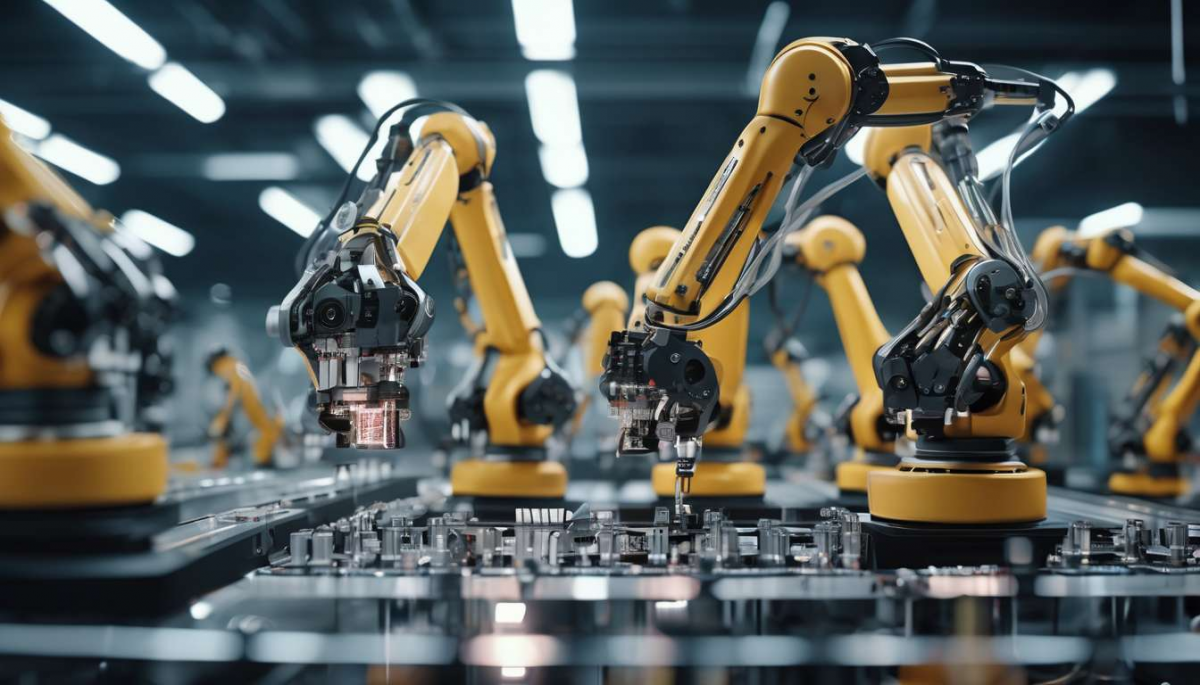
Real-Time Data Analysis
Harnessing Real-Time Data Analysis
Real-time data analysis empowers electronics manufacturers to make informed decisions rapidly, enhancing operational efficiency and responsiveness. In the realm of Smart Manufacturing, the ability to access and process real-time data is pivotal for maintaining a competitive advantage.
Benefits of Real-Time Data Monitoring:
- By continuously monitoring production processes, manufacturers can ensure optimal performance.
- Swiftly addressing issues reduces downtime and waste.
- This dynamic approach fosters a culture of continuous improvement, aligning with industry demands for increased adaptability and precision.
Integration of Real-Time Data Analytics:
The integration of real-time data analytics provides a deeper understanding of manufacturing operations, which enables tailored interventions to drive precision enhancement.
Manufacturers gain insights into:
- Equipment performance
- Production quality
- Supply chain dynamics
Strategic Advantages:
- Supports strategic planning and resource allocation.
- Ensures that decision-making aligns with both operational goals and market needs.
Conclusion
The collective benefits of real-time data analysis underscore its critical role in advancing the capabilities of the electronics industry. It promotes a cohesive, forward-thinking manufacturing environment.
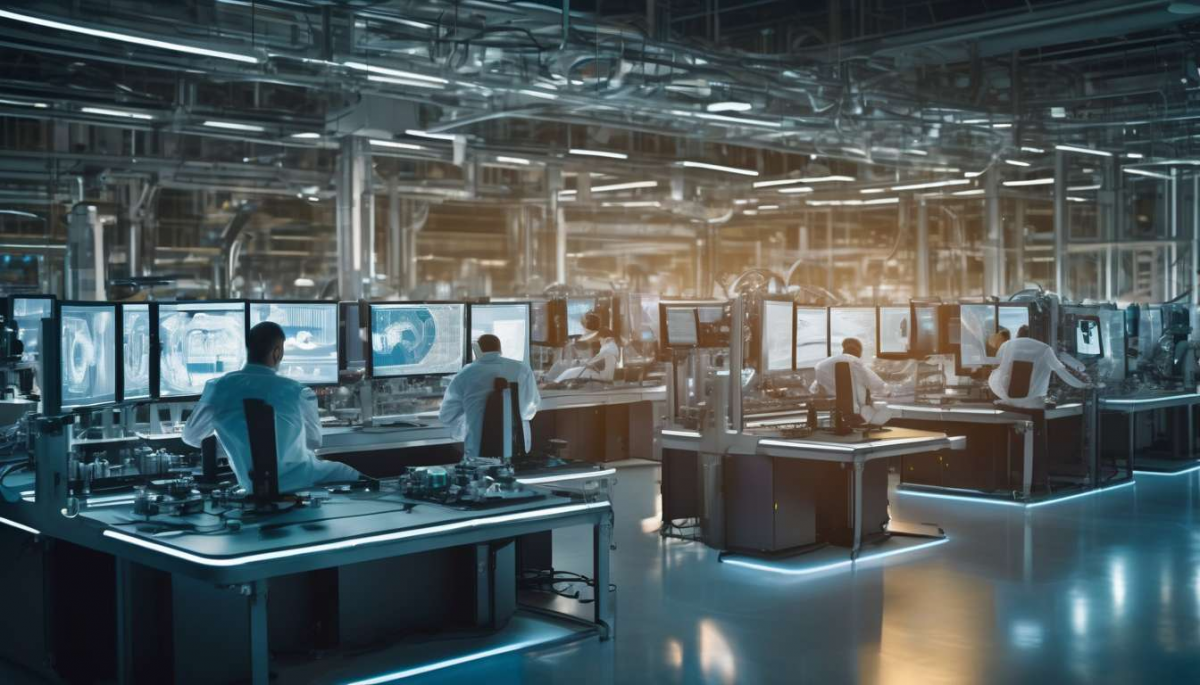
Precision Enhancement Techniques
Implementing Cutting-Edge Techniques
Enhancing precision in electronics manufacturing ensures products meet exacting industry standards. By embracing Smart Manufacturing, businesses can integrate advanced technologies into their production processes, leading to improved accuracy and efficiency.
Role of Real-Time Data
Real-Time Data is crucial in this transformation. It provides valuable insights that enable manufacturers to make informed decisions promptly. This data-driven approach allows for:
- Constant monitoring of production variables
- Swift identification and correction of deviations
- Maintenance of optimal precision
Precision Enhancement
Precision Enhancement is achieved through innovative tools and methodologies that streamline operations and reduce human error. Key techniques include:
- Automated quality control
- Machine learning algorithms
These techniques are employed to detect anomalies and maintain consistent product quality.
Community and Industry Impact
By implementing these advanced systems, the electronics industry fosters a sense of community among its members, as they collectively strive towards excellence and innovation. This shared commitment to precision not only enhances product reliability but also strengthens the industry’s competitive position globally.
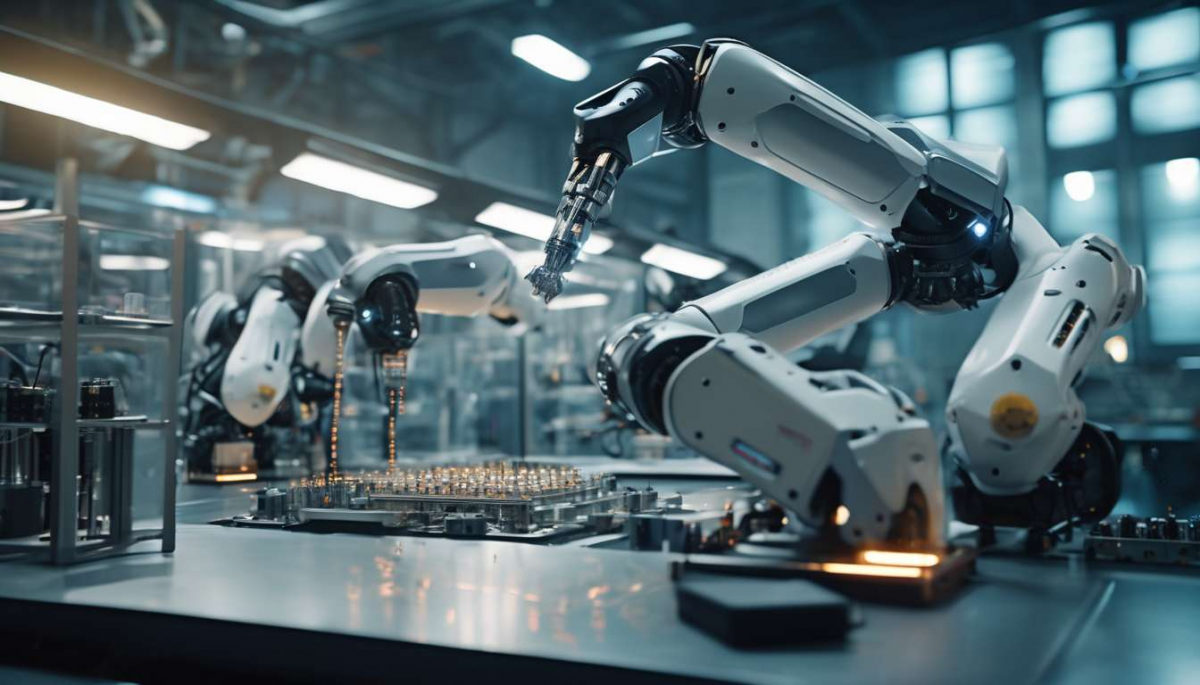
Waste Reduction Strategies
Implementing waste reduction strategies in the electronics industry significantly minimizes environmental impact and optimizes resource utilization.
Integration of Smart Manufacturing processes facilitates the efficient use of materials and energy, contributing to sustainability goals. By employing Real-Time Data analytics, manufacturers can:
- Monitor and adjust production processes
- Reduce excess material use
- Lower energy consumption
This data-driven approach enhances decision-making capabilities, allowing for timely interventions that prevent resource wastage.
Precision Enhancement techniques further bolster waste reduction efforts by ensuring that components are manufactured to exact specifications. This minimizes:
- Defects
- The need for rework
As a result, precise manufacturing reduces scrap rates and enhances overall operational efficiency.
The combined application of Smart Manufacturing and Precision Enhancement establishes a robust framework for minimizing waste, aligning with industry-wide sustainability initiatives.
By adopting these strategies, the electronics industry fosters a culture of environmental responsibility and operational excellence. This allows stakeholders to contribute meaningfully to a shared vision of sustainable progress and resource optimization.
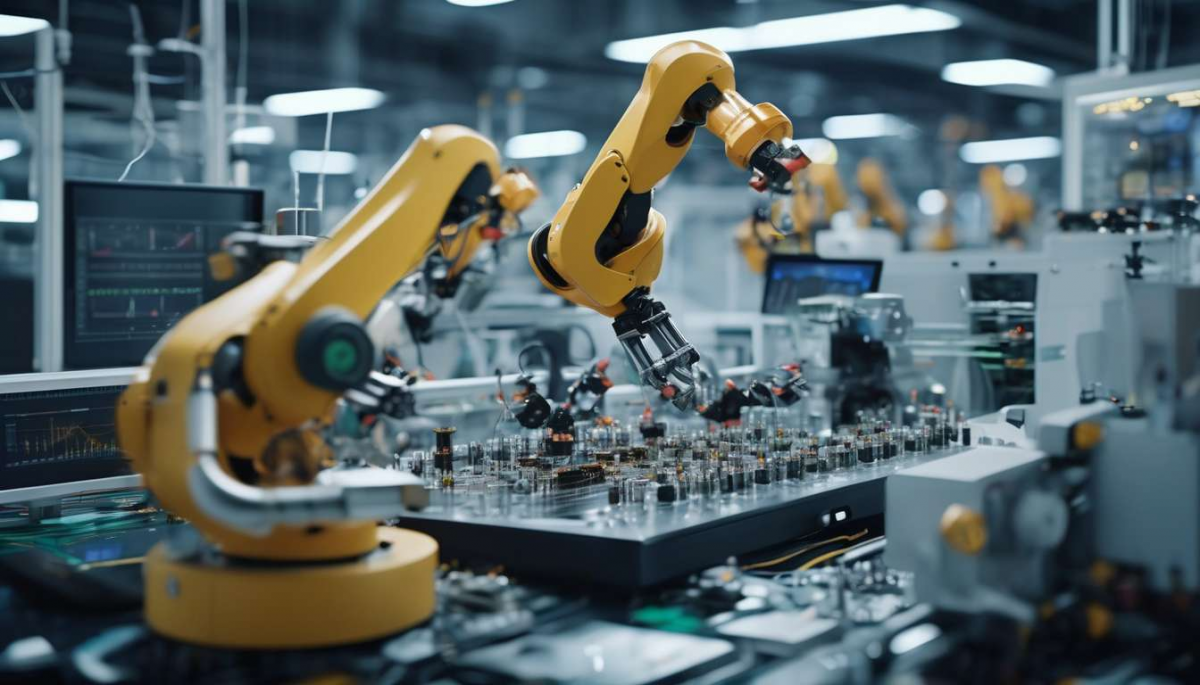
Proactive Problem-Solving Approaches
Proactive Problem-Solving in the Electronics Industry
Proactive problem-solving approaches in the electronics industry focus on anticipating issues before they arise, ensuring swift resolutions, and maintaining high operational standards. This strategy leverages Smart Manufacturing, which integrates advanced technologies to streamline processes and enhance productivity.
By utilizing Real-Time Data, potential disruptions are identified quickly, enabling prompt interventions that prevent costly downtimes. This approach not only safeguards efficiency but also strengthens the reliability of production lines.
Precision Enhancement
A significant aspect of proactive methodologies is Precision Enhancement, which ensures that each component meets exact specifications. This reduces the likelihood of defects and minimizes waste, thereby enhancing the overall quality of the final product.
In a sector where precision is paramount, these measures foster a culture of excellence and shared purpose, uniting stakeholders in the pursuit of superior outcomes.
Benefits of Forward-Thinking Strategies
Adopting these forward-thinking strategies creates a resilient framework capable of adapting to evolving challenges. It promotes a sense of belonging among industry professionals committed to innovation and excellence.